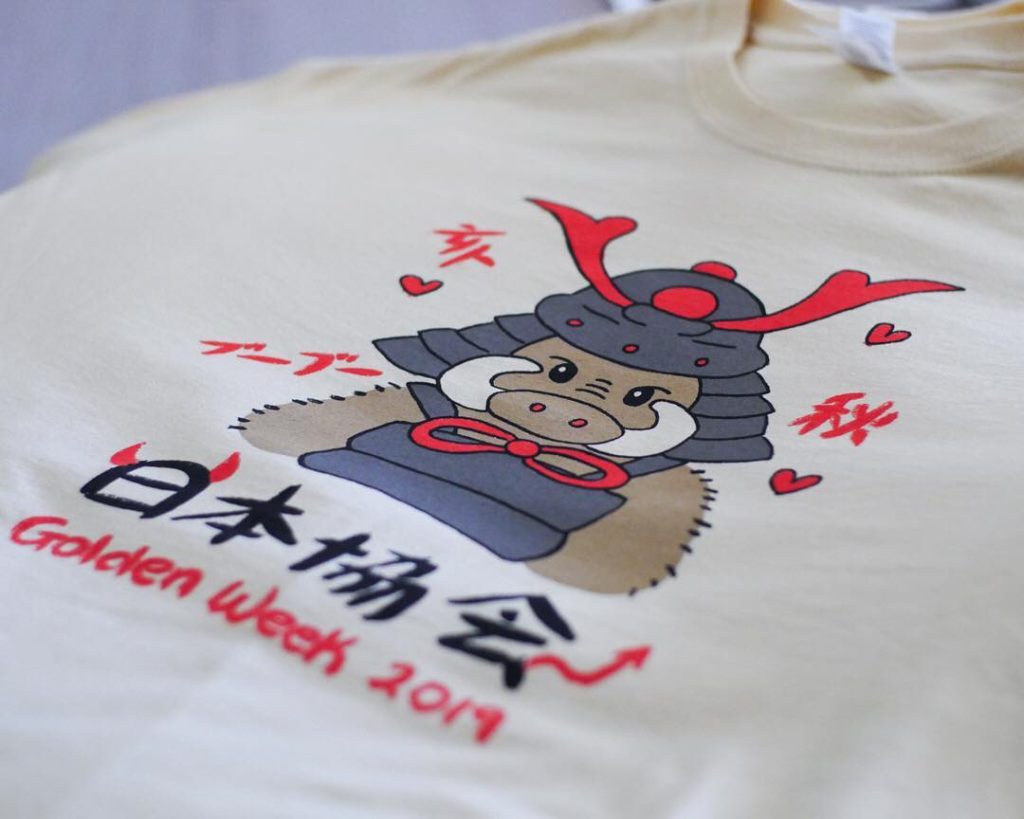
If you’ve been researching custom apparel, you’ve probably run into the term DTF printing and wondered what it actually is. It’s been gaining traction fast in the printing world, and for good reason — it solves some real problems that other methods don’t.
We offer DTF printing alongside screen printing and embroidery at our shop in Austin, so we work with it every day. Here’s a straightforward explanation of what DTF is, how it works, when it’s the right choice, and when you’re better off with something else.
No jargon, no sales pitch — just what you need to know.
What DTF Printing Actually Is
DTF stands for Direct to Film. Instead of printing ink directly onto a shirt (like screen printing does), DTF prints your design onto a special film, which then gets heat-pressed onto the garment. The result is a full-color, high-detail print that bonds to the fabric.
Think of it as a high-quality transfer — but far more durable and detailed than the iron-on transfers you might remember from the ’90s. Modern DTF transfers hold up to washing, don’t crack or peel, and can reproduce photographic detail that other methods struggle with.
How DTF Printing Works (Step by Step)
The process is simpler than screen printing in some ways, which is part of why it’s become so popular:
1. Your design is printed onto a special PET film. A DTF printer lays down a full-color image using CMYK inks, then applies a layer of white ink underneath for opacity. This happens digitally — no screens to make, no color separations to prepare.
2. Adhesive powder is applied. While the ink is still wet, a fine adhesive powder is applied to the film. This is what will bond the print to the fabric when heat is applied.
3. The film is cured. The printed, powdered film goes through an oven to melt the adhesive and set the ink. At this point you have a ready-to-apply transfer.
4. The transfer is heat-pressed onto the garment. The film is placed on the shirt and pressed at high temperature and pressure. The adhesive bonds the ink to the fabric. Peel off the film, and the print is done.
The whole process is faster to set up than screen printing because there are no screens to burn and no ink colors to mix. That’s why DTF shines on smaller orders — the setup time is nearly zero.
When DTF Printing Is the Best Choice
We recommend DTF to customers in specific situations where it genuinely outperforms other methods:
Small orders. Need 6 shirts? 12? Even just one? DTF has no practical minimum because there’s no screen setup to amortize. Screen printing minimums exist because of setup costs — DTF eliminates that barrier.
Full-color or photographic designs. A design with dozens of colors, gradients, or photo-realistic detail is expensive and complex to screen print (each color needs its own screen). DTF prints the full color spectrum in a single pass. If your design is a photograph or a complex illustration, DTF handles it easily.
Mixed fabrics. Screen printing works best on 100% cotton. DTF adheres well to cotton, polyester, blends, and even some performance fabrics. If you’re printing on a tri-blend or a polyester jersey, DTF often produces a better result.
Fast turnaround on custom or personalized items. Because there’s no screen setup, DTF orders can move through production faster. Individual names, numbers, or one-off personalized designs are practical with DTF in a way they aren’t with screen printing.
When Screen Printing Still Wins
We’re not going to pretend DTF is better in every situation. It isn’t, and we’ll be honest about that:
Bulk orders. For runs of 24+ shirts with a simple design, screen printing is still more cost-effective per piece. The setup cost gets spread across the run, and production is fast once the screens are made. DTF’s per-unit cost stays relatively flat regardless of quantity — it doesn’t get cheaper the more you order the way screen printing does.
Feel. Screen printing (especially with water-based or discharge ink) can feel like part of the fabric — soft, breathable, barely there. DTF prints sit on top of the fabric with a slight texture. It’s not heavy or stiff like old-school transfers, but it’s not as invisible as a good water-based screen print either.
Pantone color matching. If your brand requires an exact Pantone color match, screen printing delivers it precisely because we mix the ink to spec. DTF uses CMYK process color, which is close but not an exact Pantone match — similar to the difference between offset and digital printing on paper.
Durability on heavy-use garments. For work shirts, uniforms, and gear that gets beaten up daily, a properly cured screen print is still the most durable option. DTF is durable for normal wear and washing, but screen printing edges it out on garments that take serious abuse.
DTF vs. Screen Printing: A Quick Comparison
| DTF Printing | Screen Printing | |
| Best for quantities | 1–24 shirts | 24+ shirts |
| Color count | Unlimited (full color) | 1–6 colors typical |
| Setup time | Minimal | Longer (screens + ink mixing) |
| Feel on shirt | Slight texture (sits on top) | Can be very soft (water-based/discharge) |
| Fabric compatibility | Cotton, polyester, blends | Best on cotton |
| Pantone matching | Approximate (CMYK) | Exact |
| Cost per shirt (bulk) | Stays relatively flat | Gets cheaper with volume |
| Durability | Good for normal wear | Excellent — outlasts the shirt |
What About Quality?
This is the question we get most often. The short answer: high quality DTF transfers look genuinely impressive. The detail, color accuracy, and vibrancy are excellent — often better than what you can achieve with screen printing on a complex, multi-color design.
The quality concerns with DTF mostly come from cheap, mass-produced transfers done on low-end equipment. When DTF is done properly — good printer, quality film, correct temperature and pressure on the heat press — the results are professional and durable. We wouldn’t offer it to our customers if we weren’t confident in the output.
We Offer DTF Printing in Austin
At Oh Boy! Print Shop, we offer DTF printing services alongside screen printing and embroidery. Having all three under one roof means we can recommend the right method for your project based on what you actually need — not based on what equipment we happen to have.
If you’re not sure whether DTF, screen printing, or embroidery is the right fit for your order, just tell us what you’re going for and we’ll give you an honest recommendation. No upselling, no pushing one method over another — just the option that gives you the best result for your budget and timeline.
Get a free quote or call us at 512-270-6696.
Frequently Asked Questions
What does DTF stand for?
DTF stands for Direct to Film. The design is printed onto a special film, then heat-pressed onto the garment — as opposed to screen printing, which pushes ink directly through a screen onto the fabric.
Is DTF printing good quality?
Yes — when done properly with good equipment and materials. High quality DTF transfers produce vibrant, detailed, full-color prints that hold up to normal washing and wear. Quality varies by shop, which is why we’d always recommend seeing samples before committing to a large order.
How long do DTF prints last?
A properly applied DTF print lasts through dozens of wash cycles without cracking or peeling. For normal everyday wear, you can expect years of use. For heavy-duty work garments, screen printing may edge it out on longevity.
Is DTF better than screen printing?
Neither is universally better — they excel in different situations. DTF is better for small runs, full-color designs, and mixed fabrics. Screen printing is better for bulk orders, exact Pantone matching, and the softest possible feel. We offer both and recommend based on your specific project.
What is the minimum order for DTF printing?
DTF has no practical minimum — you can order as few as one shirt. That’s one of its biggest advantages over screen printing, which typically requires 24+ shirts to be cost-effective.
Can DTF print on any fabric?
DTF works well on cotton, polyester, blends, and many performance fabrics. It’s more versatile than screen printing in this regard. If you’re unsure whether your specific garment is DTF-compatible, reach out and we’ll let you know.
Do you offer DTF printing in Austin?
Yes. Oh Boy! Print Shop offers DTF printing services alongside screen printing and embroidery at our Austin shop on Research Blvd. Get a quote and mention you’re interested in DTF.

Leave a Reply